



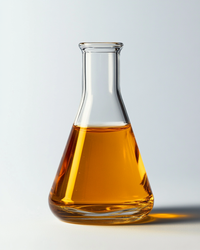
- Lead marker
- Apigenin-7-glucoside
63 to 270 µg/g in the extract calculated per Ph. Eur. (min. 0.25 % apigenin-7-glucoside), ESCOP - Claim areas per CDS
- Anti-ageing · Balancing · Soothing · Soothing / anti-irritant · Glow / radiance · Skin-plumping
- In the finished product
- 1.89 to 8.1 mg per kg of finished product at 3 % use

Extracts
The right base for what you develop.
From plant to carrier system: raw materials that fit your formulation.
New extracts
-
Buckwheat Extract (Fagopyrum Esculentum Seed Extract)

-
Greek Mountain Tea Extract (Sideritis Scardica Extract)

-
Purple Yam Extract (Dioscorea Alata Root Extract)

-
Common Wheat Extract (Triticum Vulgare (Wheat) Seed Extract)

-
Cup Plant Extract (Silphium Perfoliatum Extract)

-
Iceland Moss Extract (Cetraria Islandica Extract)

Highlights cosmetics
-
Bakuchiol Oil Extract (Bakuchi Fruit Extract)

-
Centella Asiatica Extract (Centella Asiatica Extract)

-
Snow Mushroom Extract (Tremella Fuciformis Extract)

-
Witch Hazel Flower Extract (Hamamelis Virginiana (Witch Hazel) Flower Water)

-
Paracress Extract (Acmella Oleracea Extract)

-
CONIUNCTA® PRO CPG-69 Ashwagandha Extract (Withania Somnifera (Ashwagandha) Root Extract)

Highlights supplements
-
Ashwagandha powder extract 10:1 (Withania Somnifera)

-
Ginseng powder extract 10:1 (Panax ginseng)

-
Amla powder extract 10:1 (Phyllanthus Emblica)

-
Sea Buckthorn Extract (Hippophae Rhamnoides Fruit Extract)

-
Rhodiola Extract (Rhodiola Rosea Root Extract)

-
Hibiscus Extract (Hibiscus Sabdariffa Flower Extract)

 01
01
Liquid extracts
Glycerin- or glycol-based, for the water phase.
 02
02
Oil extracts
Lipophilic fractions in carrier oil, for the oil phase.
 03
03
Powder extracts
For capsules, anhydrous systems and compounding.
 04
04
CONIUNCTA® PRO
18 specialty extracts from nine raw materials, each as CPG and CPO.
Suitability, variants and documents are on the respective product page.
All extractsLead markers
From molecule to formulation.
We specify every extract by its lead marker, calculated from pharmacopoeia and process data and documented in the Claim Data Sheet. Two examples of how this becomes a formulation.
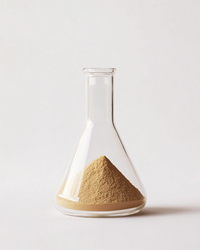
Food supplements
Chamomile powder extract 10:1 (Chamomilla Recutita)- Lead marker
- Apigenin-7-glucoside
6 to 45 mg/g in the extract calculated per Ph. Eur. (min. 0.25 % apigenin-7-glucoside), ESCOP - Food
- suitable for food
- In the finished product
- 60 to 450 mg per kg of finished product at 1 % use

Company
Manufacturer of botanical extracts since 2022.
CONIUNCTA develops and produces botanical extracts for cosmetics and food: adaptive vacuum extraction, documentation down to the batch, rated EcoVadis Platinum 2026.
-
Since 2022
Manufacturer in Germany
-
Around 400
Extracts
-
434
Customers
-
40
Countries
-
Platinum
EcoVadis 2026

CONIUNCTA® extraction process
From plant to extract: controlled, gentle, documented.
-
01
Raw material
Selected plants and plant parts form the basis of the extract.
-
02
Extraction
Process and carrier system are matched to the respective raw material.
-
03
Processing
Separation and stabilisation lead to the defined extract.
-
04
Documentation
Specification and batch-related certificates of analysis accompany the product.

Documentation
Every raw material comes with its documentation.
Identity, composition and technical properties: four documents per extract, available for download in your account.
-
TDS
Technical data sheet
Specification, properties and processing
-
SDS
Safety data sheet
Handling, storage and safety
-
CDS
Claim Data Sheet
Lead marker, literature sources and areas of effect
-
CoA
Certificate of analysis
Batch-related test results

-
01
Select the raw material
All extractsFind the extract and carrier system for your application; we support you with technical questions.
-
02
Start with a sample
Development samples come with the dossier and are credited to your next purchase.
-
03
Plan the production run
ContactAlign quantities, packaging and requirements: via the industrial enquiry on the product page or directly with us.

EcoVadis Platinum 2026
With the 2026 Platinum medal, CONIUNCTA ranks in the top one percent of companies rated by EcoVadis. The rating covers environment, labour and human rights, ethics and sustainable procurement. It is valid until September 2027 and publicly accessible.




News
Contact
What are you working on?
Let's talk about your formulation: raw material selection, samples, production quantities.
